Choosing a suitable quarry machine directly affects the efficiency, cost, and safety of stone extraction. A mine manager admitted, “Five years ago, improper selection led to low efficiency and high maintenance costs; after replacing with a suitable quarry machine, efficiency increased by 35% and costs decreased by 20%.” This confirms the core principle—there is no absolutely optimal equipment, only the most suitable option.
I. Considering Mine Geological Conditions: The Premise of Selection
Lithological analysis is the primary step. For hard stones such as granite and basalt, diamond wire saws and DTH drilling machine (with high cutting force and strong wear resistance) should be selected; for medium-hard stones like marble and limestone, chain arm saws or double blade cutting machine are sufficient, while also ensuring energy efficiency.
The strike and thickness of ore veins are equally crucial: self-propelled vertical equipment is used for vertical ore veins, and transverse cutting equipment is chosen for horizontal ore veins. A marble mine in Central Asia once mistakenly selected high-power equipment designed specifically for granite. This not only resulted in high energy consumption but also reduced the yield of rough stone blocks due to excessive vibration—a real lesson to learn.
II. Evaluating Production Needs and Scale: The Key to Selection
Equipment capacity must match the mine’s planning to avoid waste from “using a large machine for small tasks” or damage from “using a small machine for large tasks.”
Small and medium-sized mines (annual output < 50,000 cubic meters): Prioritize medium-sized diamond wire saws and multi-functional mining machines. These have low investment, flexible operation, and are suitable for diverse needs.
Large-scale mines (annual output > 100,000 cubic meters): Give preference to large-scale automated equipment such as fully automatic diamond wire saw mining units. Although the initial investment is high, the cost advantage of large-scale production is significant.
If there are plans to expand production, it is wiser to select an expandable and upgrade-able equipment system rather than a single machine with fixed capacity.
III. Balancing Comprehensive Economic Benefits: The Core of Selection
Procurement cost is only a part of the total cost; the whole-life cycle cost (including energy consumption, maintenance, spare parts, and labor) must be evaluated.
The technical support and after-sales network of equipment manufacturers are crucial—timely services can reduce downtime losses. On-site testing is the best way to verify the performance of quarry machine, and most well-known suppliers offer this service.
Energy conservation and environmental protection cannot be ignored: Quarry Machine that meets standards can reduce environmental management costs, enhance corporate image, and facilitate the acquisition of mining permits.
The selection of quarry machine is a comprehensive technical decision, and all links must be treated rigorously. Mining enterprises should conduct in-depth analysis of their needs, compare equipment performance, and consult experts if necessary to make scientific choices. This not only improves efficiency and increases revenue but also lays a solid foundation for safe production and sustainable development. The investment in this process is valuable, as it will affect the operation results of the mine in the next few years.
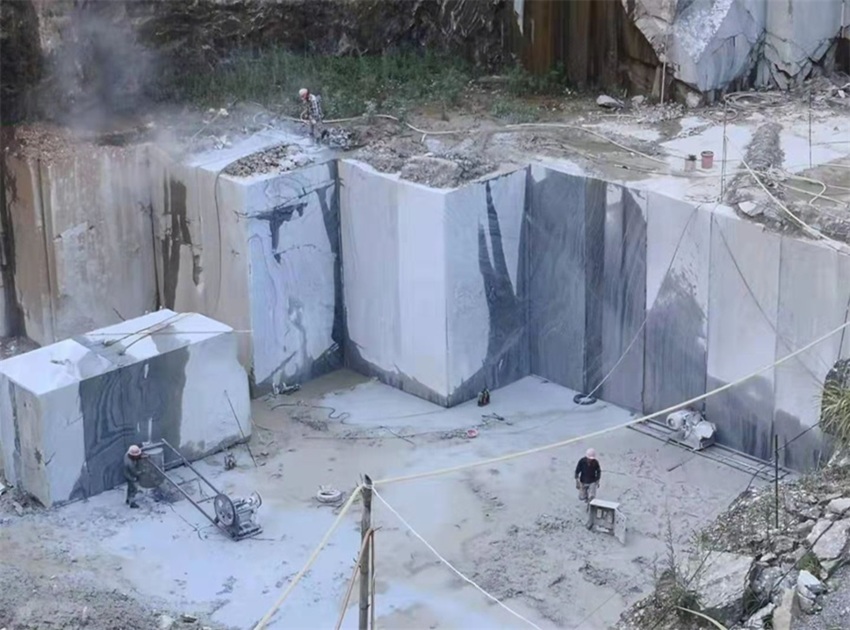
Diamond Wire Saws
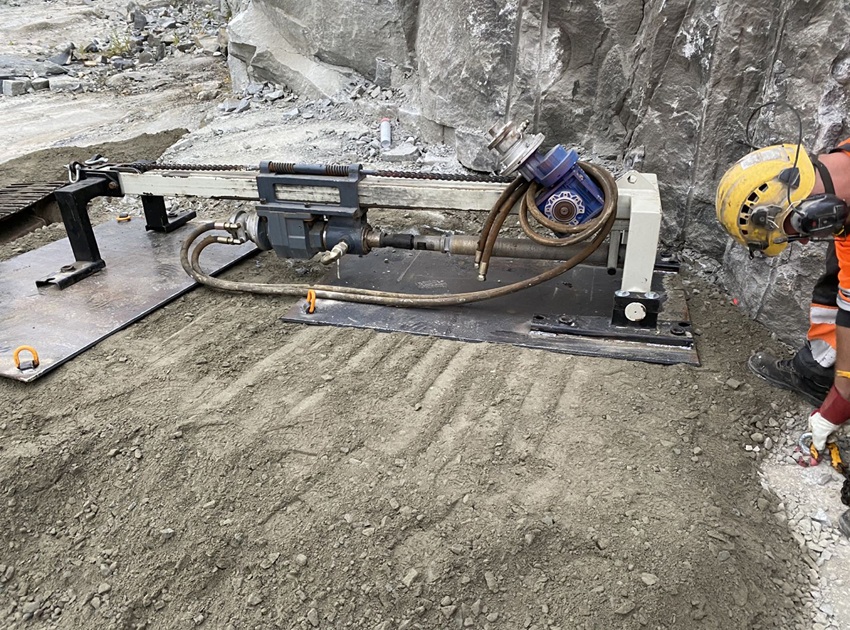
DTH Drilling Machine
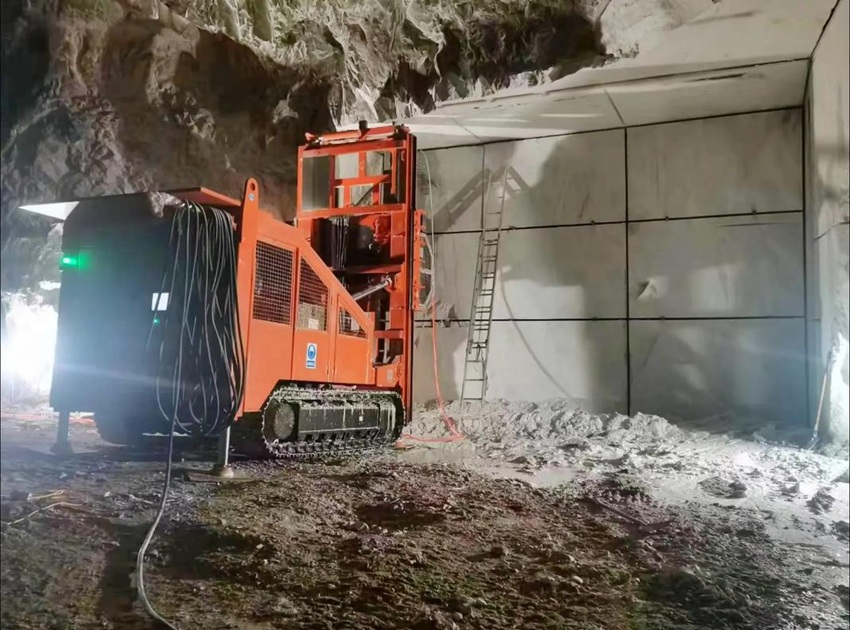
Chain Saw
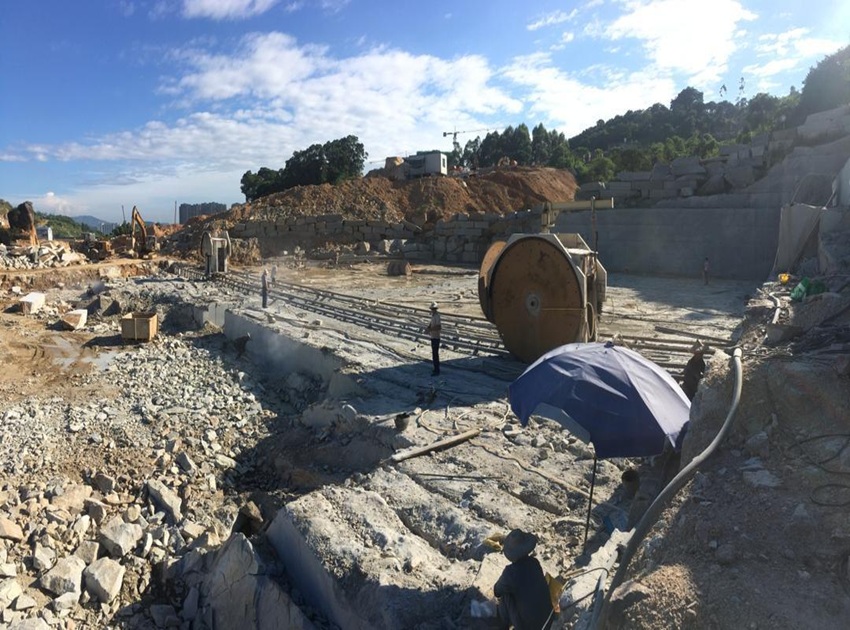
Double Blade Stone Cutting Machine
Post time: Sep-17-2025